Method Development
Method development is performed in phases and is preferentially conducted in accordance with ICH Q14 utilizing advanced statistical models that support the selection of the most robust and reliable method. Depending on the desired quality and documentation, method type, and other parameters, simplified approaches may also be appropriate. For example, the scope of screening can be reduced, and certain statistical models may be omitted. Learn more about the different steps of method development below.
Column and Eluent Screening
The choice of column and eluent is the most critical factor for the selectivity and robustness of a chromatographic method. Unfortunately, it is often the factor that is varied and tested the least—or not at all—in method development.
A systematic screening of carefully selected column and eluent combinations increases the likelihood of finding the best-performing combination. The screening is performed using advanced statistical software, combined with experience-based selection of columns and eluents, to generate data that support choosing the optimal combination of column and eluent.
Parameter Optimization
Once the optimal column and eluent combination has been identified, the next step is to optimize the other method parameters, which have a smaller, but still significant, effect on method performance. For LC methods, this typically includes selection of wavelength (for absorption detection), column temperature, flow rate, and gradient conditions.
Robustness
The term robustness is used in two relevant ways in this context:
- The method’s ability to produce consistent analysis results despite changes in instrument parameters (also called ruggedness).
- Synonymous with operational stability: Few errors, little downtime attributed to the method, and maintained validation characteristics over time—even with column variations.
During qualification of an LC system, acceptance criteria ranges are defined for specific settings—e.g., the requirement for detector wavelength accuracy might be ±2 nm, meaning that when the detector is set to 254 nm, actual detection may occurs anywhere between 252 and 256 nm. The robustness study documents the method’s ability to function predictably despite this variation; that analysis results do not vary significantly and that SST requirements do not suddenly fail.
With the final method parameters established, the method’s performance is evaluated under challenge conditions—intentionally running the method at incorrect set points to assess the impact on analytical results and overall performance.
If method development has been conducted using QbD software, robustness can be reported as a purely data-driven exercise based on existing data. It is also possible to perform a formal, independent robustness study with separate experimental data.
The robustness study concludes with a report that summarises observed effects and the method’s readiness for validation. Additionally, provisional SST requirements for the method can be drafted, which are finalized during validation.
Advanced Sample Preparation
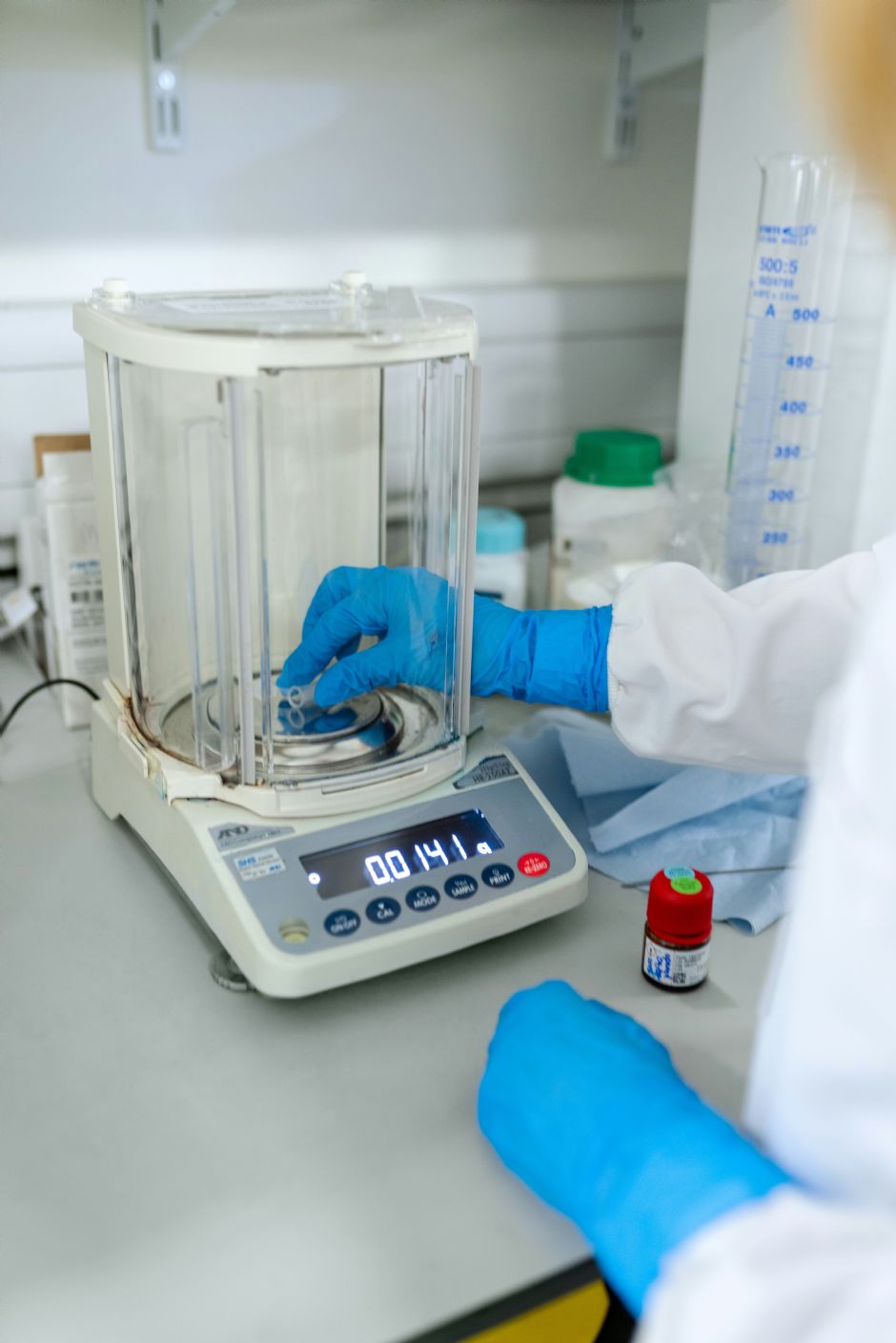
Some analytical methods require extensive sample preparation, including chemical modification of the analyte/analytes, purification, and/or buffer change. Any step in these processes could affect the final analysis result, and authorities often require documentation of the chosen steps, their set points and duration.
Consider for example a sample preparation involving heating at 40 °C for 2 hours followed by 10 minutes of centrifugation at 7000 rcf. Are these steps sufficient with respect to temperature, speed, and duration? What would be the consequences of reducing the heating time to 1 hour? This design space should be explored to determine within which intervals the sample preparation yields consistently purified/modified samples. This is important both for the quality of your analytical results, for regulatory documentation, and for identifying and eliminating over-processing.

Collaboration partners
Do you require a framework agreement for co-operation with consultancies?
We work with the companies below and our services can be offered through them.